
Health & Wellness
dog
Care Guide for Dogs
A comprehensive guide to keeping your dog healthy, happy, and well-cared for. Learn about proper nutrition, grooming, exercise, training, preventive healthcare, vaccinations, common health concerns, and daily care tips to support your dog's well-being at every stage of life.
8 min read
0 views
0 found helpful
# Care Guide for Dogs
## Overview
Dogs are loyal, intelligent, and loving companions that thrive with proper care, nutrition, exercise, and regular veterinary attention. Whether you have a puppy, an adult dog, or a senior companion, providing a balanced lifestyle helps ensure a long, healthy, and happy life.
---
## Feeding Guidelines
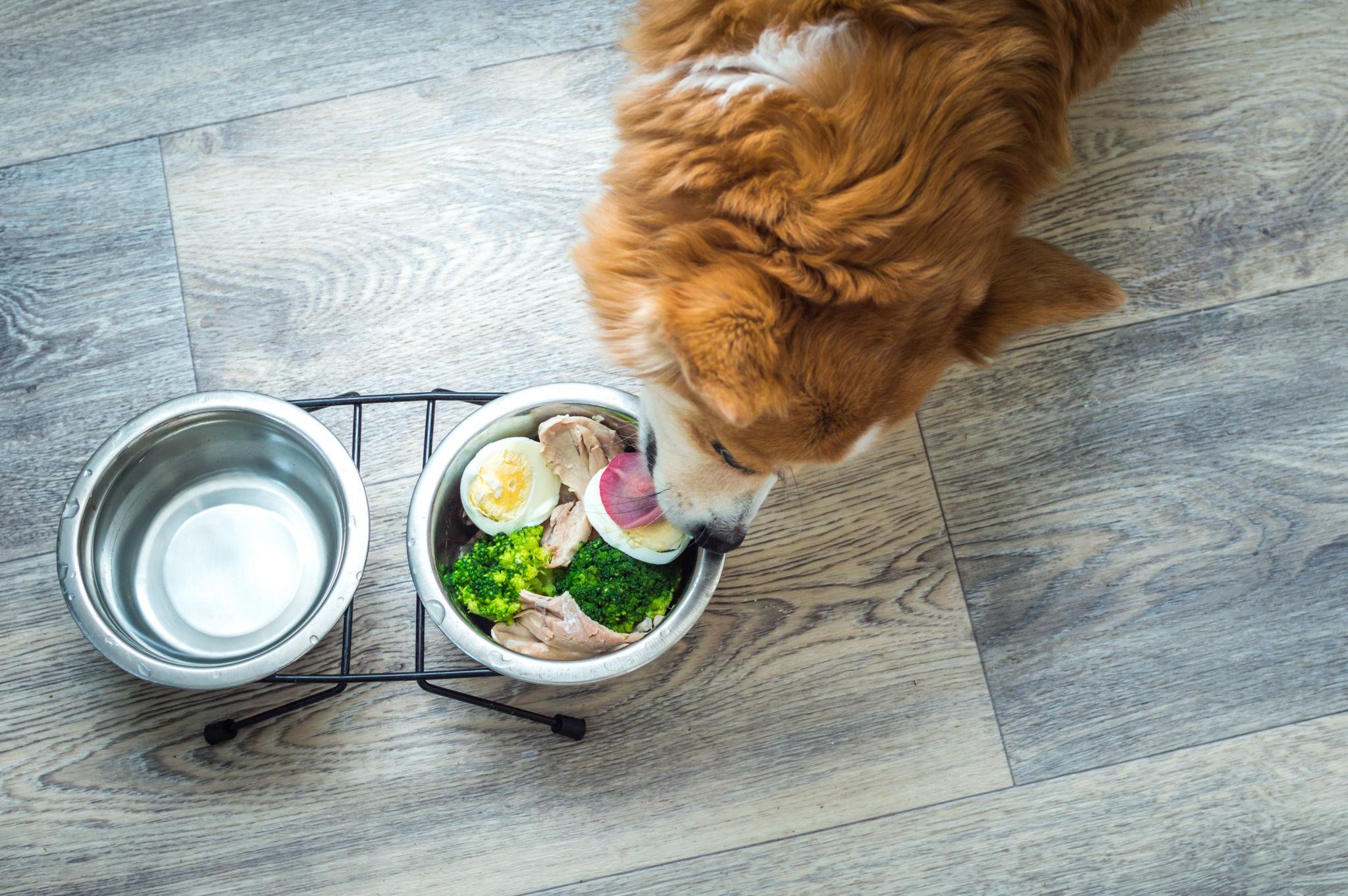
A balanced diet is essential for your dog's overall health.
- Feed high-quality dog food appropriate for your dog's age, size, and activity level.
- Puppies should eat 3–4 meals daily.
- Adult dogs typically require 2 meals per day.
- Senior dogs may benefit from specially formulated senior diets.
- Always provide fresh, clean drinking water.
- Avoid overfeeding to prevent obesity.
### Foods to Avoid
- Chocolate
- Grapes and raisins
- Onions and garlic
- Xylitol (artificial sweetener)
- Alcohol
- Avocado
- Macadamia nuts
- Cooked bones
---
## Exercise & Activity
Dogs need regular physical and mental stimulation.
- Walk your dog every day.
- Provide interactive toys and puzzle feeders.
- Play fetch or tug-of-war.
- Allow supervised outdoor play.
- Socialize with other friendly dogs when appropriate.
Recommended exercise:
- Small breeds: 30–45 minutes daily
- Medium breeds: 45–60 minutes daily
- Large or active breeds: 60–120 minutes daily
---
## Grooming
Regular grooming keeps your dog clean and healthy.
- Brush the coat 2–3 times per week (daily for long-haired breeds).
- Bathe every 4–8 weeks or as needed.
- Trim nails every 3–4 weeks.
- Clean ears weekly.
- Brush teeth 2–3 times per week using dog-safe toothpaste.
- Check skin regularly for fleas, ticks, or irritation.
---
## Health Considerations
Routine healthcare prevents many illnesses.
- Keep vaccinations up to date.
- Schedule annual veterinary checkups.
- Use flea, tick, and heartworm prevention.
- Maintain regular deworming.
- Monitor weight and appetite.
- Watch for signs of illness such as vomiting, diarrhea, coughing, excessive scratching, or changes in behavior.
Seek veterinary care immediately if your dog experiences:
- Difficulty breathing
- Continuous vomiting
- Seizures
- Severe injuries
- Loss of consciousness
---
## Training Tips
Training improves communication and strengthens your bond.
- Start training early.
- Use positive reinforcement with treats and praise.
- Keep sessions short (10–15 minutes).
- Be patient and consistent.
- Teach basic commands:
- Sit
- Stay
- Come
- Down
- Leave It
- Heel
Avoid punishment-based training methods.
---
## Puppy Care
Puppies require additional attention.
- Follow the vaccination schedule.
- Begin house training immediately.
- Socialize with people and other pets.
- Provide chew toys for teething.
- Feed puppy-specific food.
---
## Senior Dog Care
Older dogs have changing needs.
- Schedule more frequent health checkups.
- Provide softer bedding.
- Feed a senior diet if recommended.
- Maintain light daily exercise.
- Watch for arthritis, vision problems, and dental disease.
---
## Safety Tips
- Keep harmful chemicals out of reach.
- Never leave dogs in hot vehicles.
- Use a leash during walks.
- Ensure identification tags and microchips are up to date.
- Secure fences and gates.
---
## Conclusion
Providing proper nutrition, regular exercise, grooming, preventive healthcare, and consistent training helps your dog live a healthy and fulfilling life. Building a routine and spending quality time together strengthens the bond between you and your canine companion.